A low-fat diet can temporarily manage digestive issues, aiding symptom relief until fats are safely reintroduced with support.
Utilize provided food lists and meal plans to reduce and manage symptoms effectively while following a reduced-fat dietary approach.
What is a Low-Fat Diet?
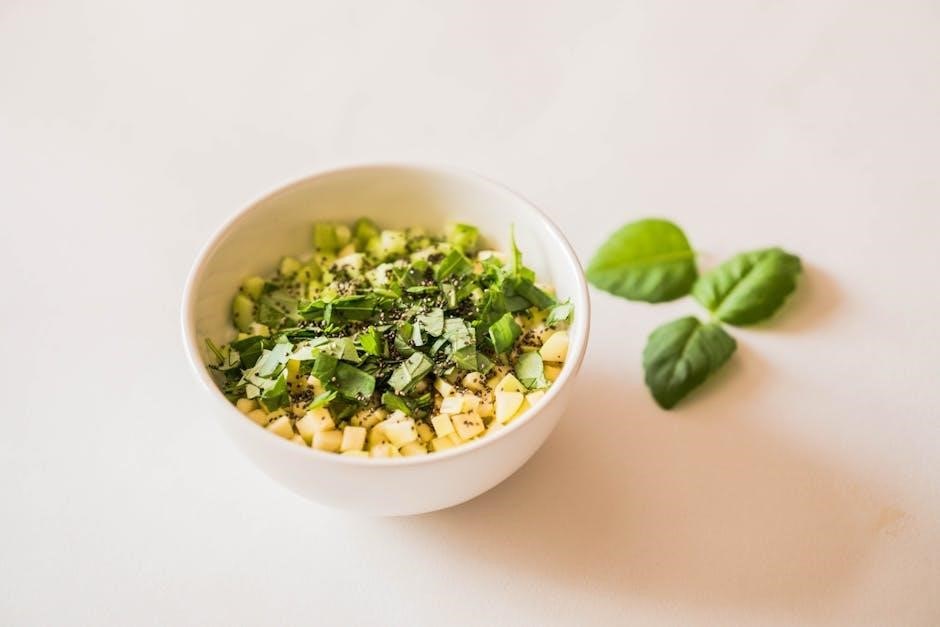
A low-fat diet centers around significantly reducing fat intake, particularly from animal-derived sources, with the primary goals of supporting weight management and bolstering cardiovascular health. This dietary approach prioritizes lean protein sources like fish and poultry, alongside an abundance of plant-based foods – fruits, vegetables, and legumes – and whole grains.
The core principle involves consciously selecting foods lower in total fat, saturated fat, and trans fat; A helpful resource for navigating this can be a printable list of low-fat foods, categorizing options for meat, dairy, grains, and snacks. Such lists, often available as PDFs, simplify meal planning and grocery shopping.
This isn’t about eliminating fat entirely, but rather maintaining a balanced nutritional intake while consciously lowering cholesterol and overall calorie consumption. It’s a strategy often recommended for short-term digestive symptom management, preparing the body for eventual, supported fat reintroduction.
Benefits of a Low-Fat Diet
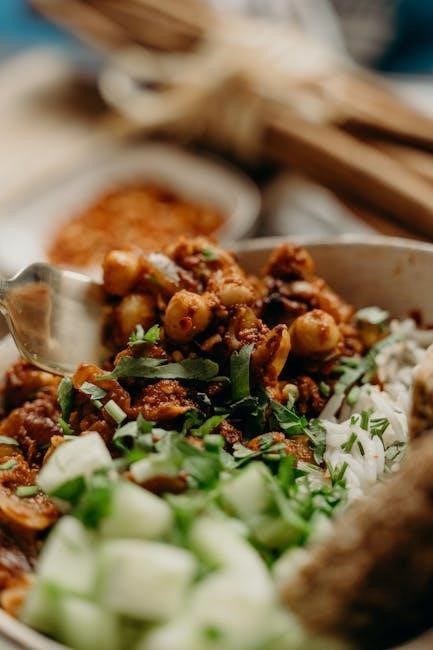
Adopting a low-fat diet can offer several health advantages, particularly in the short term. It’s frequently utilized to alleviate unwanted digestive symptoms and discomfort, creating a window for safely reintroducing fats with appropriate digestive support. Utilizing a low-fat foods PDF list simplifies this process, providing clear guidance on suitable choices.
Beyond digestive health, a reduced-fat intake contributes to weight management by lowering overall calorie consumption. It also positively impacts heart health by helping to reduce cholesterol levels, minimizing the risk of cardiovascular diseases. Focusing on lean proteins, whole grains, and abundant fruits and vegetables ensures balanced nutrition.
Furthermore, a well-planned low-fat diet can increase energy levels and improve overall well-being. Access to printable food charts and online databases streamlines meal planning, making it easier to sustain this beneficial dietary approach.
Core Low-Fat Food Groups
A successful low-fat approach centers around fruits, vegetables, lean proteins, and whole grains, as detailed in helpful low-fat foods PDF resources.
Fruits and Vegetables
Fruits and vegetables are naturally low in fat and are cornerstones of any effective low-fat dietary plan. A comprehensive low-fat foods PDF will highlight the vast variety available, encouraging diverse consumption for optimal nutrition.
These plant-based powerhouses provide essential vitamins, minerals, and fiber without contributing significantly to fat intake. Focus on incorporating a rainbow of colors – leafy greens, berries, citrus fruits, cruciferous vegetables like broccoli and cauliflower, and root vegetables.
Remember that preparation methods matter; steaming, grilling, or eating raw preserves their low-fat profile. Avoid adding high-fat dressings, sauces, or frying. Many low-fat foods PDF guides offer delicious, healthy recipe ideas utilizing these ingredients, making it easier to enjoy flavorful meals while staying on track.
Lean Proteins
A low-fat foods PDF will emphasize the importance of lean protein sources for maintaining muscle mass and satiety while minimizing fat intake. Prioritize options like skinless poultry – chicken and turkey breast are excellent choices – and fish, particularly white fish like cod or haddock.
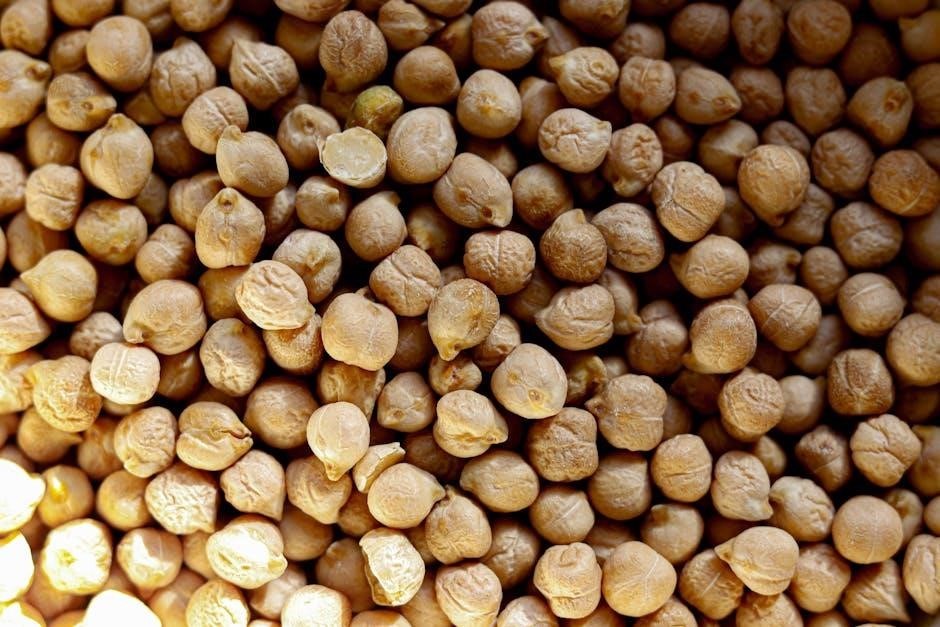
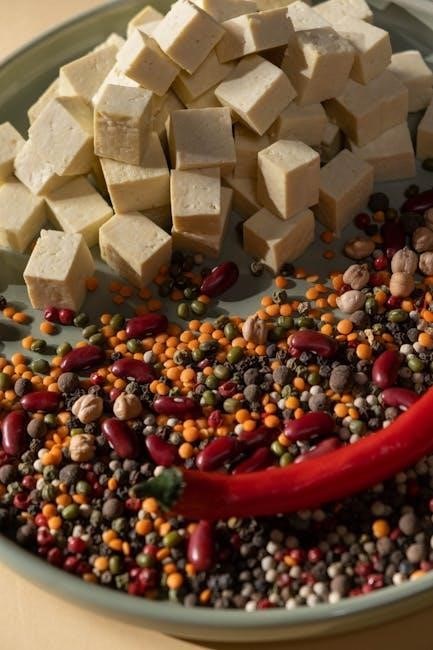
Plant-based proteins, such as beans, lentils, and tofu, are naturally low in fat and offer additional fiber and nutrients. When selecting meat, choose cuts labeled “lean” or “extra lean” and trim any visible fat before cooking.
Preparation methods are crucial; baking, grilling, poaching, or steaming are preferred over frying. A detailed low-fat foods PDF resource will often include portion size recommendations to ensure you’re consuming adequate protein without exceeding your fat limits, supporting overall health and weight management.
Whole Grains
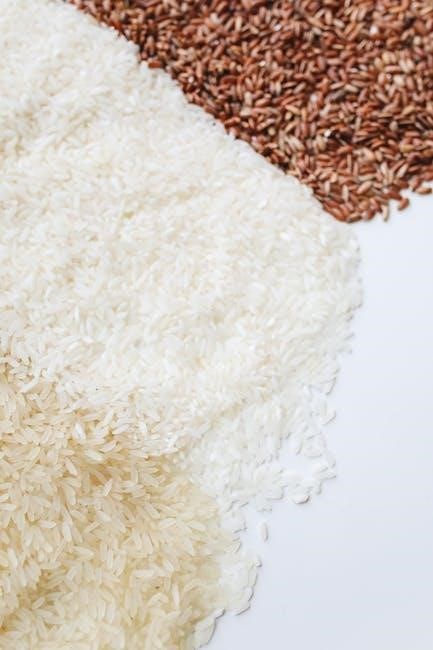
A comprehensive low-fat foods PDF guide will highlight whole grains as a cornerstone of a healthy, reduced-fat diet. Bread and flour, oats, rice, and pasta are generally low in fat, but it’s crucial to be mindful of added sugars, especially in breakfast cereals.
Opt for minimally processed whole grain options like brown rice, quinoa, whole-wheat bread, and oatmeal. These provide sustained energy and essential fiber, contributing to feelings of fullness and aiding digestion.
The low-fat foods PDF will likely advise checking nutrition labels to ensure the chosen products are genuinely low in fat and haven’t been loaded with hidden fats during processing. Portion control remains important, even with healthy whole grains, to manage overall calorie intake effectively.
Specific Low-Fat Food Choices
A low-fat foods PDF organizes items into categories like meat, milk, grain, and snacks, offering a clean and simple way to plan meals.
Low-Fat Dairy Options
When exploring low-fat dairy options, a comprehensive low-fat foods PDF can be incredibly helpful. It details choices like water, coffee, and tea prepared with low-fat milk, providing refreshing alternatives.
Low-fat flavored milk offers a tasty treat, while juices, soft drinks, cordials, and mineral water contribute to hydration. Jams, marmalades, and honey can satisfy sweet cravings without excessive fat.
However, it’s crucial to be mindful of added sugars in these options. Opting for unsweetened varieties whenever possible is a healthier approach. A detailed PDF chart will often categorize dairy based on fat content, making informed selections easier.
Remember to check nutrition labels, as fat content can vary between brands and products. Prioritizing these low-fat dairy choices supports a balanced diet and overall well-being.
Lean Meat and Poultry
A low-fat foods PDF resource will highlight specific cuts of meat and poultry that align with a reduced-fat dietary approach. Generally, selecting lean options is paramount for success.
When choosing beef, look for cuts labeled “round,” “sirloin,” or “loin,” and trim any visible fat before cooking. Poultry, particularly skinless chicken and turkey breast, are excellent low-fat protein sources.
Ground turkey or chicken, labeled as 93% lean or higher, provides versatility in meal preparation. The PDF charts often categorize meats by their fat content per serving, simplifying the selection process.
Remember that cooking methods significantly impact fat content. Baking, grilling, or broiling are preferable to frying. Utilizing these lean protein sources, guided by a detailed PDF, supports a healthy and balanced low-fat diet.
Fish and Seafood
A comprehensive low-fat foods PDF will detail numerous fish and seafood choices that naturally fit within a reduced-fat eating plan. Many varieties are not only low in fat but also rich in beneficial omega-3 fatty acids.
Excellent options include white fish like cod, haddock, and flounder. These provide substantial protein with minimal fat content. Shellfish, such as shrimp and crab, are also generally low in fat, though preparation methods matter.
Salmon, tuna, and mackerel, while containing higher overall fat, offer healthy fats that are beneficial for heart health and are often included in moderate portions on low-fat plans.
The PDF resource will likely categorize seafood by fat content per serving, aiding informed choices. Steaming, baking, or grilling are preferred cooking methods to avoid adding unnecessary fats, maximizing the health benefits.
Foods to Limit on a Low-Fat Diet

A low-fat foods PDF highlights high-fat meats, processed foods loaded with fats, and full-fat dairy as items to significantly reduce or avoid.
High-Fat Meats
When consulting a low-fat foods PDF, understanding which meats to limit is crucial. Generally, fatty cuts of beef, pork, and lamb should be minimized on a low-fat diet. This includes marbled steaks like ribeye, porterhouse, and T-bone, as well as fatty ground beef.
Processed meats like bacon, sausage, hot dogs, and salami are also high in fat and should be consumed sparingly, if at all. These often contain hidden fats and sodium. Even seemingly lean cuts can have significant fat content if not properly trimmed.
The PDF resource will likely categorize meats based on their fat content per serving, providing clear guidance on portion sizes and frequency of consumption. Prioritizing lean protein sources, as detailed elsewhere, is key to successful fat reduction.
Processed Foods High in Fat
A comprehensive low-fat foods PDF will highlight the prevalence of hidden fats in processed items. Many commercially prepared foods undergo processing that significantly increases their fat content, often through added oils, butter, or cream. This includes many baked goods like cookies, cakes, and pastries, which are frequently loaded with saturated and trans fats.
Fried foods, such as french fries, fried chicken, and onion rings, are notoriously high in fat due to the absorption of oil during the cooking process. Pre-packaged snacks like chips, crackers, and many microwave popcorn varieties also contribute substantially to fat intake.
The PDF resource will likely emphasize reading nutrition labels carefully to identify and limit these hidden sources of fat, focusing on choosing minimally processed alternatives whenever possible for optimal health.
Full-Fat Dairy Products
A detailed low-fat foods PDF will clearly identify full-fat dairy as a category to moderate or avoid when following a reduced-fat diet. Traditional dairy items like whole milk, cream, butter, and full-fat yogurt contain significant amounts of saturated fat, which can contribute to increased cholesterol levels.
Cheeses, particularly hard cheeses like cheddar and parmesan, are also typically high in fat. Even seemingly innocuous dairy-based desserts, such as ice cream and puddings, often contain substantial fat content. The PDF resource will likely provide a comparison of fat content between full-fat and low-fat dairy options.
It will emphasize choosing alternatives like skim milk, low-fat yogurt, and reduced-fat cheeses to minimize fat intake while still benefiting from the calcium and other nutrients dairy provides, supporting a balanced dietary approach.
Creating a Low-Fat Meal Plan
A low-fat foods PDF offers sample breakfast, lunch, and dinner ideas, streamlining meal planning and ensuring adherence to a reduced-fat dietary approach.
Sample Breakfast Ideas
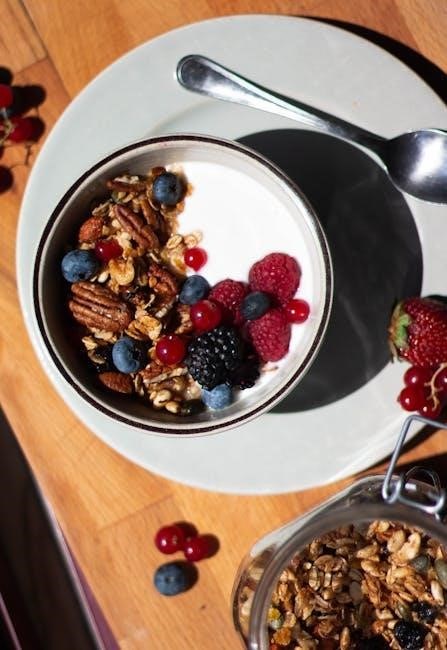
Kickstart your day with a low-fat breakfast, utilizing resources from a low-fat foods PDF for inspiration. Consider oatmeal prepared with water or low-fat milk, topped with fruits like berries – a fantastic source of antioxidants and fiber.
Another excellent option is whole-wheat toast with a thin spread of jam or honey, avoiding butter or high-fat spreads. A smoothie made with low-fat yogurt, fruit, and a splash of juice provides a quick and nutritious start.
For those preferring a more substantial breakfast, scrambled egg whites with spinach and tomatoes offer protein without the excess fat found in whole eggs. Remember to check your low-fat foods PDF for specific serving sizes and to ensure ingredients align with your dietary goals. Prioritize whole, unprocessed foods for optimal health benefits.
Sample Lunch and Dinner Ideas
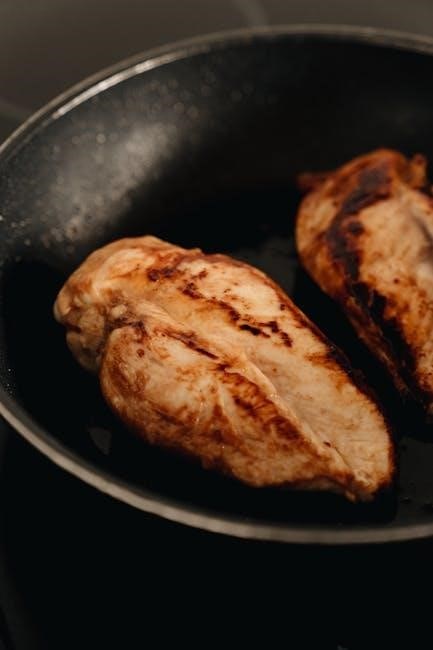
For a low-fat lunch, consult your low-fat foods PDF and consider a large salad with grilled chicken or fish, using a light vinaigrette dressing. Whole-wheat sandwiches with lean turkey or chicken breast and plenty of vegetables are also excellent choices, avoiding mayonnaise or high-fat spreads.
Dinner options could include baked or grilled fish with steamed vegetables and brown rice. A lentil soup, packed with fiber and protein, is another satisfying and healthy meal. Chicken stir-fries with lots of vegetables and a low-sodium soy sauce are quick and easy to prepare.
Always refer to your low-fat foods PDF to confirm ingredient suitability and portion sizes. Focus on lean proteins, whole grains, and abundant vegetables to create balanced and flavorful meals that support your dietary goals.
Resources for Low-Fat Food Lists (PDF)
Find printable low-fat food charts organizing items simply. Utilize online databases for comprehensive lists, aiding meal planning and dietary adherence effectively.
Finding Printable Low-Fat Food Charts
Locating readily available, printable low-fat food charts can significantly streamline your dietary planning process. These charts often categorize foods – meats, dairy, grains, and snacks – for easy reference, detailing which options align with a reduced-fat intake. A well-structured PDF document provides a concise overview, explaining the fundamentals of a low-fat diet and identifying situations where it might be beneficial.
Many websites dedicated to health and nutrition offer downloadable charts. These resources frequently present information in a clear, table format, making it simple to identify suitable food choices at a glance. Look for charts that specify serving sizes and fat content per serving, empowering you to make informed decisions. Remember to prioritize charts from reputable sources, ensuring the information is accurate and evidence-based. Utilizing these printable resources fosters consistency and simplifies adherence to your low-fat eating plan;
Utilizing Online Low-Fat Food Databases
Beyond printable charts, numerous online low-fat food databases offer a dynamic and comprehensive approach to dietary tracking. These databases allow you to search for specific foods and instantly view their nutritional information, including fat content, calories, and macronutrient breakdown. This level of detail is invaluable for precise meal planning and monitoring your daily fat intake.
Many databases feature advanced filtering options, enabling you to identify low-fat alternatives to your favorite foods. Some even offer recipe analysis tools, calculating the fat content of entire meals. Regularly updated information ensures accuracy, and mobile app integration provides convenient access on the go. When using these resources, cross-reference information with reliable sources to confirm accuracy and tailor your choices to your individual needs and dietary goals. These databases empower informed food selection.