Navigating Italy’s roadways requires understanding its unique signage; a helpful 16-page PDF booklet from Mom In Italy provides a printable guide for visitors.
Furthermore, an English translation of the 2016 Italian Highway Code details traffic laws, regulations, and signage design, offering comprehensive guidance for drivers.
Importance for Tourists and Drivers
For tourists, unfamiliarity with Italian road signs can quickly transform a scenic drive into a stressful experience. A readily available PDF booklet, like the one offered by Mom In Italy, becomes an invaluable tool, bridging the language gap and preventing misunderstandings that could lead to fines or, more seriously, accidents.
Drivers, even those accustomed to European traffic regulations, will find nuances in Italian signage. The official Highway Code, accessible in English translation, provides a detailed understanding of the legal framework governing Italian roads. Knowing the meaning of signs – from speed limits to restricted zones – isn’t merely about compliance; it’s about ensuring personal safety and respecting local traffic laws.
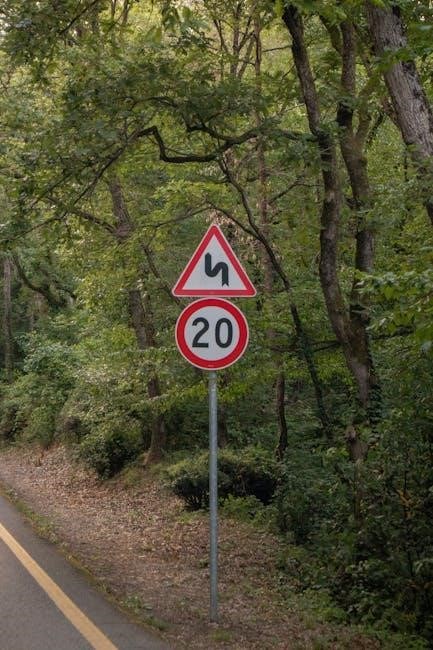
Understanding these signs proactively allows for a smoother, more enjoyable journey, fostering confidence behind the wheel and enabling visitors to fully appreciate Italy’s beautiful landscapes without the worry of navigational errors or legal repercussions.
Overview of the Italian Highway Code
The Italian Highway Code governs all road users, encompassing detailed regulations on vehicle operation, traffic flow, and, crucially, road signage. An English translation of this code is available, offering a comprehensive resource for international drivers seeking clarity on Italian traffic laws.
This document details the design and meaning of each road sign, categorizing them into regulatory, warning, and informative types. It outlines specific rules regarding speed limits, right-of-way, prohibited maneuvers, and parking regulations, all visually communicated through standardized signage.

Resources like the PDF from Mom In Italy complement the official code by providing a practical, easily digestible overview of common signs. Familiarizing oneself with both the code and supplementary materials is essential for safe and legal driving in Italy, ensuring a stress-free travel experience.
Types of Italian Road Signs
Italian road signs fall into three main categories: regulatory, warning, and informative, all detailed in available PDF guides for easy understanding.
Regulatory Signs
Regulatory signs dictate what drivers must or must not do, and are crucial for safe navigation. These signs, thoroughly illustrated in resources like the Mom In Italy PDF booklet, command adherence to specific rules.
Stop signs (Segnali di Fermata) are universally recognized, demanding a complete halt before proceeding. Yield signs (Segnali di Dare la Precedenza) require drivers to give way to oncoming traffic. Prohibition signs (Segnali di Divieto), also detailed in the 2016 English translation of the Italian Highway Code, forbid certain actions, such as turning or exceeding speed limits.
Understanding these signs is paramount; the PDF materials offer clear visuals and explanations, ensuring visitors can confidently interpret and obey Italian traffic laws. Ignoring regulatory signs can lead to fines or, more importantly, accidents.
Stop Signs (Segnali di Fermata)
Stop signs (Segnali di Fermata) in Italy are generally the same universally recognized octagonal shape and red color as in many other countries. However, the Mom In Italy PDF booklet emphasizes a crucial detail: Italian stop signs often appear smaller and can be less conspicuous than those in North America.
Drivers encountering a Segnali di Fermata are legally obligated to come to a complete stop before the marked stop line, or before entering the intersection if no line exists. The 2016 English translation of the Italian Highway Code reinforces this requirement, stressing the importance of full compliance.
The PDF guide highlights the need for heightened awareness, as these signs may be partially obscured by foliage or positioned in unexpected locations. Always approach intersections cautiously and be prepared to stop.
Yield Signs (Segnali di Dare la Precedenza)
Yield signs (Segnali di Dare la Precedenza) in Italy are triangular, with a red border and a white interior. The Mom In Italy PDF booklet clarifies that these signs indicate drivers must give way to traffic on the intersecting road. Unlike a stop sign, a complete halt isn’t always necessary.
However, drivers must slow down and assess the situation, yielding the right-of-way to vehicles already in or approaching the intersection. The 2016 English translation of the Italian Highway Code details the responsibilities associated with these signs, emphasizing safe merging and avoiding disruption to existing traffic flow.
The PDF resource advises vigilance, as Italian roads can be busy, and drivers may not always adhere strictly to yield regulations. Prioritize caution and be prepared to stop if needed.
Prohibition Signs (Segnali di Divieto)
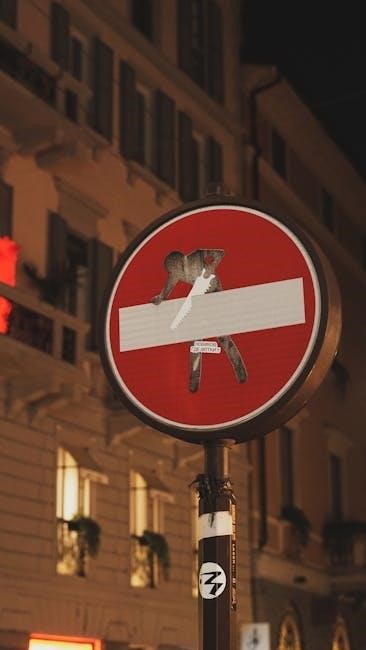
Prohibition signs (Segnali di Divieto), detailed in the Mom In Italy PDF booklet, are crucial for understanding restrictions on Italian roads. Typically featuring a red circle with a diagonal red line through a symbol, these signs clearly indicate actions that are not permitted.
Common prohibitions include no entry, no overtaking, speed limits, and restrictions on vehicle types. The 2016 English translation of the Italian Highway Code provides a comprehensive list and explanation of each symbol. Ignoring these signs can result in fines and penalties.
The PDF resource emphasizes the importance of recognizing these signs before entering a restricted area. Pay close attention to symbols indicating limitations on trucks, motorcycles, or specific maneuvers, ensuring compliance with local regulations.
Warning Signs
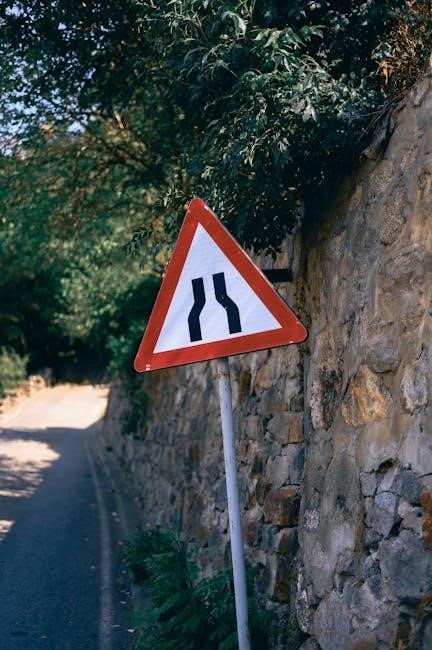
Warning signs alert drivers to potential hazards ahead, and are thoroughly covered within the Mom In Italy PDF booklet. These signs are generally triangular with a red border, featuring a black symbol indicating the nature of the danger. Understanding these is vital for safe driving.
The 2016 English translation of the Italian Highway Code details various warning categories, including curves, intersections, level crossings, and pedestrian crossings. The PDF resource stresses the importance of reducing speed and increasing awareness when encountering these signs.
Pay attention to the specific symbol, as it provides crucial information about the upcoming hazard. Recognizing these signs proactively allows drivers to react appropriately and avoid potential accidents, contributing to a safer journey.
Curve Warning Signs (Segnali di Curva)
Curve warning signs (Segnali di Curva), detailed in the Mom In Italy PDF booklet, prepare drivers for upcoming bends in the road. These triangular signs with a red border display a black arrow indicating the direction of the curve.
The 2016 English translation of the Italian Highway Code clarifies variations: a single curve sign indicates one bend, while a sign with two arrows warns of a series of curves. Drivers should reduce speed before entering the curve, maintaining control throughout.
The PDF emphasizes recognizing the arrow’s direction – left or right – to anticipate the road’s path. Supplementary signs may indicate the severity of the curve, urging even greater caution. Ignoring these warnings can lead to loss of control and accidents.
Intersection Warning Signs (Segnali di Intersezione)
Intersection warning signs (Segnali di Intersezione), clearly illustrated within the Mom In Italy PDF booklet, alert drivers to approaching crossroads or junctions. These signs, featuring a red triangle with a black border, depict the intersecting road layout.
The 2016 English translation of the Italian Highway Code details different configurations: signs show intersections with roads crossing straight through, roads merging, or roads at an angle. Drivers must be prepared to yield, stop, or proceed with caution.
The PDF stresses the importance of observing the specific sign to understand the intersection’s nature. Supplementary plates may indicate the type of traffic on the intersecting road. Always reduce speed and scan for oncoming vehicles before proceeding through an intersection.
Level Crossing Warning Signs (Segnali di Passaggi a Livello)
Level crossing warning signs (Segnali di Passaggi a Livello), comprehensively detailed in the Mom In Italy PDF booklet, are crucial for safety. These signs, typically a yellow diamond, depict a train approaching a railway crossing. They prepare drivers for potential hazards.
The 2016 English translation of the Italian Highway Code clarifies variations: some signs show a train with barriers, indicating a gated crossing, while others depict an open crossing. Drivers must slow down, observe for trains, and only proceed when safe.
The PDF emphasizes that ignoring these signs is extremely dangerous. Supplementary plates may indicate the distance to the crossing. Always be vigilant and prepared to stop, even if signals appear clear, ensuring a safe passage.
Informative Signs
Informative signs, thoroughly covered within the Mom In Italy PDF booklet, provide drivers with essential guidance during their journey. These signs, often green or blue, offer details about destinations, services, and distances.
The 2016 English translation of the Italian Highway Code details the various types. Directional signs (Segnali Direzionali) indicate routes to cities and towns, while distance signs (Segnali di Distanza) display how far away locations are.
Service signs (Segnali di Servizio), also detailed in the PDF, highlight the availability of petrol stations, restaurants, hospitals, and accommodation. Understanding these signs, as explained in both resources, is vital for a smooth and stress-free driving experience in Italy.
Directional Signs (Segnali Direzionali)
Directional signs (Segnali Direzionali), comprehensively illustrated in the Mom In Italy PDF booklet, are crucial for navigating Italy’s extensive road network. These signs guide drivers towards towns, cities, and points of interest, utilizing clear lettering and directional arrows.
The 2016 English translation of the Italian Highway Code further clarifies their design and usage. Typically green with white text, these signs often display the names of multiple destinations, prioritizing those closest to the driver.
The PDF highlights how these signs often include the relevant route number, aiding in efficient route planning. Recognizing these signs, as detailed in both resources, is fundamental for independent travel and avoiding unnecessary detours throughout Italy.
Distance Signs (Segnali di Distanza)
Distance signs (Segnali di Distanza), thoroughly covered within the Mom In Italy PDF booklet, provide crucial information regarding the distance to upcoming towns and cities. These signs are essential for trip planning and gauging travel time effectively.
The 2016 English translation of the Italian Highway Code details the standardized format of these signs, typically displaying distances in kilometers. They often appear in conjunction with directional signs, offering a complete navigational picture.
The PDF resource emphasizes recognizing the sign’s color and numerical format. Understanding these signs, as explained in both resources, is vital for maintaining awareness of your location and anticipating upcoming destinations while driving in Italy.
Service Signs (Segnali di Servizio)
Service signs (Segnali di Servizio), detailed in the Mom In Italy PDF booklet, are invaluable for locating essential amenities along Italian roadways. These signs indicate the availability of services like gas stations, restaurants, hotels, hospitals, and rest areas.
The 2016 English translation of the Italian Highway Code clarifies the standardized symbols used for each service, ensuring easy recognition regardless of language barriers. The PDF resource highlights the importance of noting these signs, especially on longer journeys.
Understanding these symbols, as presented in both resources, allows drivers to proactively plan stops for fuel, food, or rest, contributing to a safer and more comfortable driving experience throughout Italy. They are typically blue and feature pictograms.
Specific Italian Road Sign Peculiarities
Italian driving presents unique challenges; the Mom In Italy PDF and Highway Code translation explain ZTL zones, blue zone parking, and toll road specifics.
ZTL Zones (Zona Traffico Limitato)
ZTLs, or Limited Traffic Zones, are prevalent in many Italian cities, and understanding them is crucial to avoid hefty fines. These zones restrict access to vehicles based on time of day and vehicle type. The Mom In Italy PDF booklet clearly illustrates the diamond-shaped ZTL sign, often accompanied by specific access rules.
Typically, only residents with permits, public transportation, and authorized vehicles are allowed entry. Non-permitted vehicles entering a ZTL risk substantial penalties, automatically enforced by cameras. The translated Highway Code details the legal framework surrounding ZTLs, including appeal processes. It’s vital to identify ZTLs before driving, as signage can be subtle, and enforcement is strict. Planning routes carefully, utilizing parking outside the zones, or seeking local guidance are essential strategies for navigating Italian cities without incurring fines.
Blue Zone Parking Regulations
Blue zones indicate paid parking areas in Italian towns and cities, requiring drivers to purchase a ticket and display it on their dashboard. The Mom In Italy PDF booklet visually demonstrates the blue-lined parking square sign, clarifying its meaning. Payment is typically made at parking meters or designated pay stations, specifying the duration of parking.
Regulations vary by location, with time limits and rates differing significantly. Overstaying the allotted time or failing to display a valid ticket can result in fines. The translated Highway Code outlines the legal aspects of parking regulations, including the authority of parking enforcement officers. It’s crucial to carefully read the signage accompanying the blue zone, noting any specific restrictions or time limitations to avoid penalties and ensure a smooth parking experience.
Understanding Toll Roads (Autostrade)
Italy’s Autostrade (toll roads) are a convenient way to travel long distances, but understanding the system is essential. The Mom In Italy PDF booklet likely illustrates the Autostrada sign, typically green with a white ‘A’ indicating an upcoming toll plaza. Payment can be made with cash, credit cards, or Telepass – an electronic toll collection system.
The translated Highway Code details the regulations governing Autostrade usage, including speed limits and lane restrictions. Toll costs depend on the distance traveled and vehicle type. Look for signs indicating the accepted payment methods at each toll plaza. Failing to pay the toll results in substantial fines. Planning your route and estimating toll costs beforehand can streamline your journey and avoid unexpected expenses on Italy’s extensive highway network.
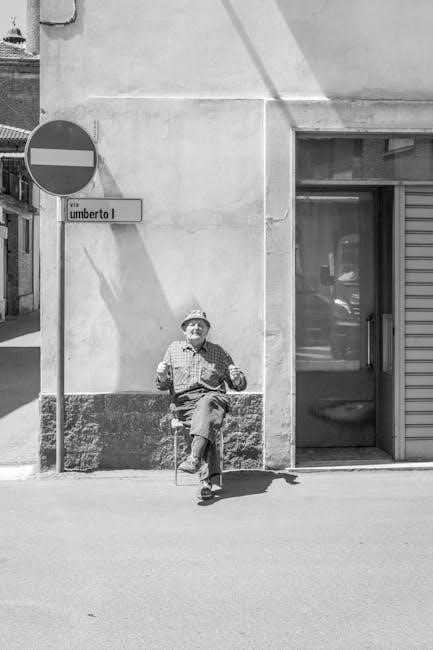
Accessing Italian Road Sign Resources
Mom In Italy offers a printable PDF booklet, while the official Highway Code provides an English translation for comprehensive road sign understanding;
Mom In Italy PDF Booklet
Mom In Italy provides an incredibly useful resource for visitors preparing to drive in Italy: a comprehensive, printable PDF booklet dedicated to Italian road signs. This 16-page guide is specifically designed to help tourists decipher the often-unfamiliar symbols and terminology encountered on Italian roadways.
The booklet isn’t just a simple list of signs; it offers practical explanations and insights, acknowledging that while Italian is the primary language, certain regions may display signage in other languages as well. It’s a fantastic starting point for anyone planning a driving vacation, offering a quick and accessible way to familiarize themselves with the essential visual cues they’ll encounter.
You can easily access the PDF by clicking a link or the image on the Mom In Italy website, opening it in a new tab for convenient viewing and printing. It’s a highly recommended tool for boosting confidence and ensuring a safer, more enjoyable driving experience in the Bel Paese.
Official Italian Highway Code (English Translation)
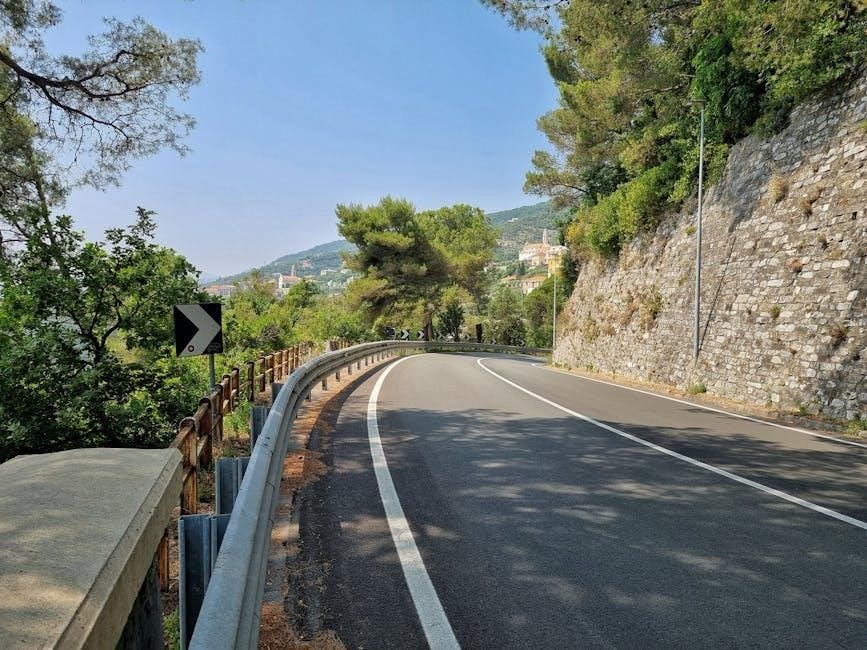
For a truly in-depth understanding of Italian traffic laws and regulations, an official English translation of the Italian Highway Code is available. This document, originating from 2016, serves as a detailed guide to the country’s road system, encompassing everything from general driving rules to specific signage protocols.
Presented as a PDF file, it’s accessible as a free download and can also be read online. The code delves into the intricacies of Italian road sign design, providing a technical perspective alongside practical application. It’s a valuable resource for those seeking a comprehensive grasp of the legal framework governing Italian roadways.
While more extensive than the Mom In Italy booklet, this translation offers a level of detail that’s particularly useful for drivers planning extended stays or those wanting a thorough understanding of the rules of the road. It’s a crucial resource for safe and compliant driving.
Online Guides and Websites
Beyond downloadable PDFs, numerous online guides and websites offer valuable information regarding Italian road signs. Grand Voyage Italy provides an informative, and often humorous, perspective on navigating the “rules of the road” based on real driving experiences within Italy. This resource focuses on understanding commonly misunderstood signage.
These online platforms often supplement official documentation, offering practical advice and clarifying nuances not always apparent in formal codes. They can be particularly helpful for visualizing sign meanings and understanding their context within Italian traffic flow.
While the Mom In Italy PDF and the translated Highway Code provide foundational knowledge, exploring these websites offers diverse viewpoints and up-to-date insights, ensuring a well-rounded preparation for driving in Italy. Remember to cross-reference information for accuracy.
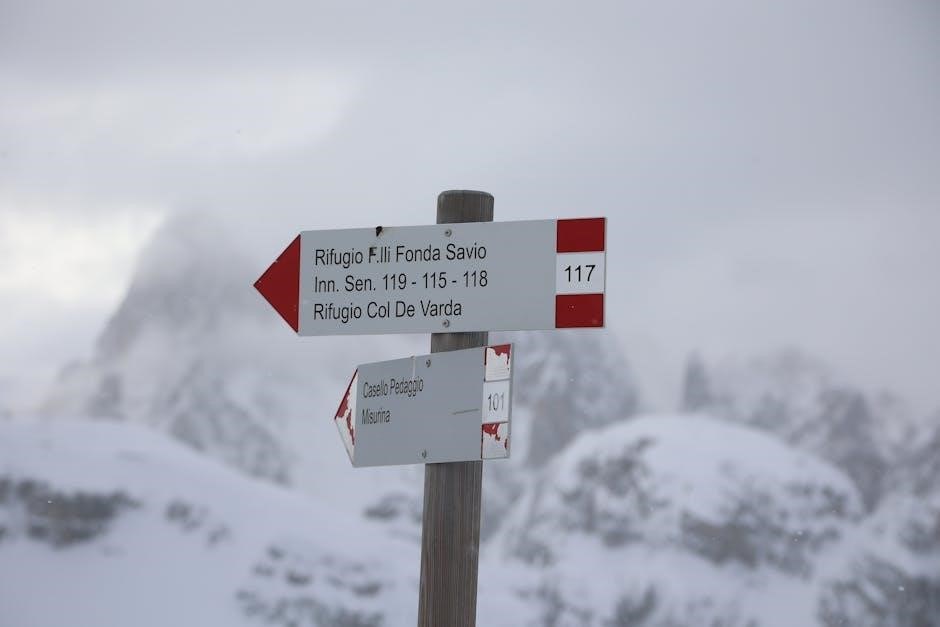
Decoding Common Italian Road Sign Symbols
Understanding symbols is crucial; resources like the Mom In Italy PDF visually explain pedestrian crossings, cycle paths, and motorway signs for safer navigation.
Pedestrian Crossings
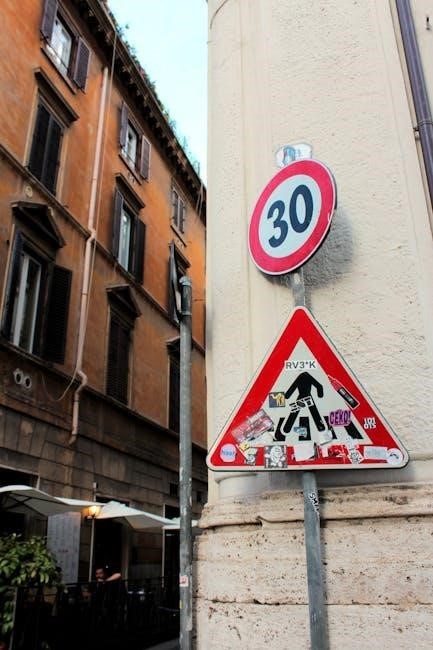
Identifying pedestrian crossings in Italy is vital for both drivers and walkers. The Mom In Italy PDF booklet provides clear illustrations of the standard Italian pedestrian crossing sign – a blue square featuring a white walking figure. These signs indicate designated areas where pedestrians have the right-of-way.
However, be aware that crossings may not always be clearly marked, especially in older towns or smaller villages. Drivers must remain vigilant and yield to pedestrians even if a formal crossing isn’t present. The PDF also highlights variations, such as zebra crossings (black and white stripes) and crossings controlled by traffic lights. Understanding these visual cues, as detailed in the resource, significantly enhances road safety and prevents accidents. Always prioritize pedestrian safety when driving in Italy.
Cycle Paths
Recognizing cycle path signage is crucial for sharing Italian roads safely. The Mom In Italy PDF booklet illustrates the standard signs denoting cycle paths – typically a blue square with a white bicycle symbol. These signs indicate dedicated lanes for cyclists, offering a separated space from vehicular traffic.
The guide clarifies distinctions between dedicated cycle paths (completely segregated) and shared-use paths where cyclists and pedestrians may coexist. Pay attention to signs indicating the beginning and end of cycle paths. Drivers must exercise caution and respect cyclists’ right-of-way within these designated areas. The PDF resource emphasizes the importance of maintaining a safe distance when passing cyclists and being mindful of potential hazards; Familiarizing yourself with these symbols ensures a smoother and safer experience for everyone on the road.
Motorway Signs
Italian motorways (autostrade) utilize a distinct set of signs, comprehensively covered in the Mom In Italy PDF booklet. These signs are generally green with white lettering and symbols, indicating directions, distances to towns, and service areas. The PDF highlights the importance of recognizing signs for entry and exit ramps, toll plazas (pedaggio), and emergency stops.
Specific symbols denote services available at upcoming areas – restaurants, fuel stations, hotels, and hospitals. The guide emphasizes understanding signs related to lane usage, speed limits, and potential hazards like tunnels or curves. It also clarifies the meaning of signs indicating mandatory equipment, such as headlights. Being familiar with these motorway signs is essential for efficient and safe long-distance travel throughout Italy, as detailed within the downloadable resource.
Preparing for Driving in Italy
Prior preparation is key; familiarize yourself with Italian road signs using resources like the Mom In Italy PDF before your trip for safer travels.
International Driving Permit Requirements
Before embarking on your Italian road trip, verifying International Driving Permit (IDP) requirements is crucial, though not always strictly enforced. While a US driver’s license may be sufficient for short-term tourism, an IDP is strongly recommended, especially if you plan extended driving or are renting a vehicle.
Understanding Italian road signs is paramount, and resources like the Mom In Italy PDF booklet can significantly aid preparation. An IDP translates your license information, ensuring clarity for Italian authorities. It doesn’t replace your original license; both must be carried.
Obtain your IDP through AAA or the American Automobile Touring Association before departing the US. Don’t assume you can acquire one within Italy. Proper documentation, coupled with knowledge of local traffic laws and signage, will contribute to a smoother and safer driving experience throughout the beautiful Italian countryside.
Renting a Car in Italy
Renting a car in Italy offers freedom to explore, but preparation is key. Familiarizing yourself with Italian road signs beforehand is essential for a safe and enjoyable journey; resources like the Mom In Italy PDF booklet are invaluable.
As an American, renting is generally straightforward, but be aware of potential requirements. While a US license might suffice, an International Driving Permit (IDP) is often recommended, particularly for longer rentals. Rental agencies may have specific stipulations, so confirm details in advance.
Insurance is crucial; understand the coverage offered and consider supplemental options. Be prepared for manual transmissions, as automatics are less common and often more expensive. Finally, familiarize yourself with Italian driving customs and traffic laws to navigate confidently and responsibly.
Navigating Italian Roads Safely
Safe driving in Italy demands vigilance and a solid understanding of local regulations, heavily reliant on interpreting Italian road signs correctly. Utilizing resources like the Mom In Italy PDF booklet before your trip is highly recommended for familiarization.
Be prepared for narrow roads, especially in historic centers, and aggressive driving styles. Pay close attention to speed limits, often indicated in kilometers per hour. Watch for ZTL zones (Limited Traffic Zones) – entering without permission results in fines.
Understanding signage regarding tolls (Autostrade) is also vital. Always carry necessary documentation, including your license, rental agreement, and insurance information. Defensive driving and awareness of surroundings are paramount for a secure Italian road trip.