Free cabinet plans in PDF format offer a cost-effective way to enhance your home‚ providing detailed instructions for DIY enthusiasts and seasoned builders alike․
What are Free Cabinet Plans?
Free cabinet plans are readily available blueprints detailing the construction of various cabinet types‚ distributed without cost to the user․ Typically found in PDF format‚ these plans encompass dimensions‚ material lists‚ and step-by-step assembly guides․ They empower individuals to build custom cabinetry without incurring the expense of professional design services․
These plans range in complexity‚ catering to diverse skill levels – from beginner-friendly designs to intricate projects for experienced woodworkers․ Accessing these resources allows for personalized storage solutions and home improvements‚ fostering creativity and self-sufficiency in woodworking endeavors․
Why Use PDF Cabinet Plans?
PDF cabinet plans offer unparalleled convenience and accessibility for woodworking projects․ Their digital format ensures easy storage‚ printing‚ and sharing‚ eliminating the risk of lost or damaged paper plans․ PDFs are universally compatible‚ viewable on any device with a PDF reader․
Furthermore‚ they often include detailed diagrams and precise measurements‚ minimizing errors during construction․ Utilizing free plans significantly reduces project costs‚ allowing you to allocate resources to materials and tools․ This format streamlines the building process‚ making cabinet making more efficient and enjoyable․
Types of Cabinets You Can Build with Free Plans
Free plans unlock a diverse range of cabinet projects‚ including kitchen‚ bathroom vanities‚ garage storage‚ and entertainment centers‚ catering to various home improvement needs․
Kitchen Cabinet Plans
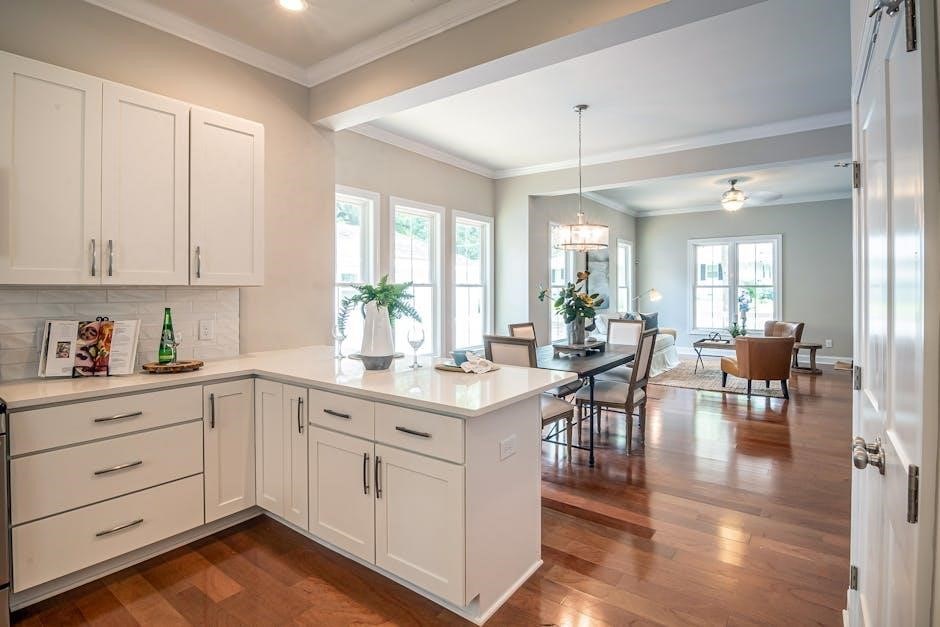
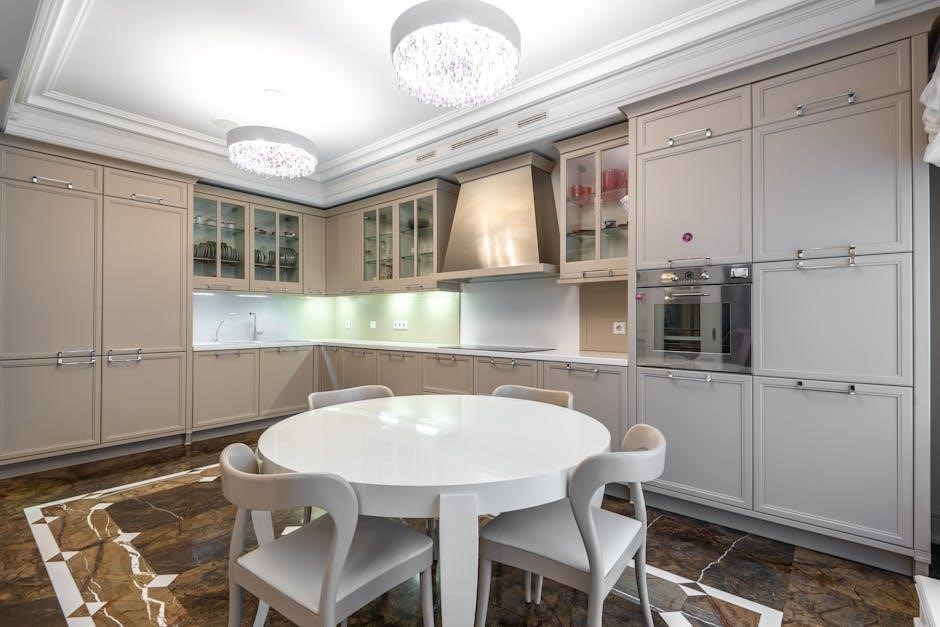
Free kitchen cabinet plans are incredibly popular‚ offering designs for base cabinets‚ wall cabinets‚ and pantry units․ These plans often include detailed cutting lists‚ assembly diagrams‚ and hardware specifications‚ enabling builders to create functional and aesthetically pleasing kitchen storage solutions․
You’ll find plans for various kitchen styles‚ from modern and minimalist to traditional and rustic․ Many free resources provide options for incorporating features like pull-out shelves‚ soft-close hinges‚ and adjustable shelving‚ allowing for customization to suit individual needs and preferences․ Remember to carefully review the plans before starting your project!
Bathroom Vanity Plans
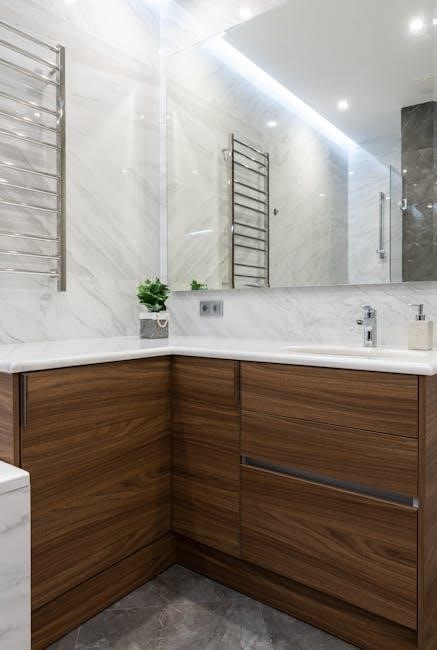
Free bathroom vanity plans cater to diverse bathroom sizes and styles‚ ranging from single-sink vanities to double-sink configurations․ These plans typically detail cabinet construction‚ drawer installation‚ and countertop support․ Many designs incorporate features like integrated towel storage and plumbing access points for convenient installation․
Look for plans offering options for different door styles‚ finishes‚ and hardware․ Some resources provide plans specifically designed for vessel sinks or undermount sinks‚ allowing for a customized look․ Always double-check dimensions to ensure a proper fit within your bathroom space․
Garage Storage Cabinet Plans
Free garage storage cabinet plans are invaluable for organizing tools‚ seasonal items‚ and automotive supplies․ These plans often focus on robust construction to withstand heavier loads and harsher garage environments․ Common designs include base cabinets with doors‚ shelving units‚ and even workbench combinations․
Prioritize plans that specify durable materials like plywood or MDF‚ and consider adding features like adjustable shelves for flexibility․ Look for plans with detailed instructions for building sturdy frames and secure door hinges‚ ensuring long-lasting functionality;
Entertainment Center Cabinet Plans
Free entertainment center cabinet plans allow you to create a custom media hub tailored to your space and technology․ Plans range from simple TV stands to elaborate wall units with shelving for components‚ DVDs‚ and decorative items․
Focus on plans that address cable management and ventilation to prevent overheating․ Consider designs incorporating closed cabinets to conceal clutter and open shelving to display cherished possessions․ Prioritize sturdy construction to support the weight of televisions and other electronics․
Where to Find Reliable Free Cabinet Plans PDF
Numerous online resources provide free cabinet plans in PDF format‚ including dedicated woodworking websites‚ online forums‚ and popular social media platforms like Pinterest․
Popular Websites Offering Free Plans
Several websites specialize in providing downloadable cabinet plans‚ often in easily accessible PDF format․ These platforms frequently feature plans created by experienced woodworkers and designers‚ catering to various skill levels․ Popular choices include Ana White‚ known for its simple and stylish designs‚ and Woodworking Plans‚ offering a diverse range of projects․ Rockler Woodworking and Hardware also provides a selection of free plans alongside their retail offerings․ Remember to always verify the plan’s completeness and clarity before starting your build‚ checking for detailed cut lists and assembly instructions to ensure a successful outcome․
Online Forums and Communities
Engaging with online woodworking forums and communities is a fantastic way to discover free cabinet plans and gain valuable insights․ Platforms like Reddit’s r/woodworking and WoodworkingTalk host active discussions where members frequently share plans‚ offer advice‚ and troubleshoot building challenges․ These communities often feature user-submitted designs not found on mainstream websites․ Participating allows you to ask questions‚ receive feedback on your projects‚ and learn from the collective experience of fellow woodworkers‚ enhancing your cabinet-building journey․
Pinterest and Social Media Sources
Pinterest serves as a visual discovery engine brimming with free cabinet plans and woodworking inspiration․ Searching keywords like “free cabinet plans PDF” yields numerous boards curated by DIY enthusiasts․ Platforms like Facebook also host woodworking groups where users share plans and project photos․ However‚ always verify the source and plan accuracy‚ as quality can vary․ Social media offers quick access to ideas‚ but thorough research is crucial before commencing any build‚ ensuring a successful outcome․
Essential Tools and Materials
Building cabinets requires specific tools and materials‚ including saws‚ drills‚ wood‚ screws‚ and finishing supplies – carefully selected based on your chosen plan’s requirements․
Wood Selection Guide
Choosing the right wood is crucial for cabinet durability and aesthetics․ Plywood offers stability and affordability‚ ideal for cabinet boxes․ Solid wood‚ like maple‚ oak‚ or cherry‚ provides superior strength and a beautiful finish for doors and frames․ Consider the wood’s grain pattern‚ hardness‚ and cost when selecting materials․
MDF (Medium-Density Fiberboard) is another option‚ offering a smooth surface for painting but lacking the strength of solid wood․ Always check your chosen plan for specific wood recommendations‚ ensuring compatibility with your skill level and budget․
Required Power Tools
Successfully executing free cabinet plans demands specific power tools․ A circular saw is essential for sheet goods‚ while a table saw provides precise rip cuts․ A miter saw ensures accurate angle cuts for framing․ A drill/driver handles screw fastening‚ and a sander prepares surfaces for finishing․
A router‚ though optional‚ expands design possibilities․ Investing in quality tools improves accuracy and efficiency․ Remember safety gear is paramount when operating any power tool; always prioritize protection․
Hand Tools Checklist
Complementing power tools‚ a robust hand tool collection is vital for cabinet construction․ Essential items include a tape measure for accurate dimensions‚ a combination square for marking‚ and a level for ensuring stability․ Clamps secure pieces during glue-up‚ while a hand saw handles intricate cuts․
Wood chisels refine joints‚ and sandpaper smooths surfaces․ Don’t forget screwdrivers‚ a utility knife‚ and a hammer․ Quality hand tools enhance precision and control throughout the building process․

Understanding Cabinet Plan Basics
Cabinet plans utilize specific conventions; mastering blueprint reading‚ cut lists‚ and assembly diagrams is crucial for successful project completion and accurate builds․
Reading Cabinet Blueprints
Deciphering cabinet blueprints requires understanding common symbols and conventions․ Line weights indicate visibility – solid lines represent visible edges‚ while dashed lines show hidden features․ Dimensions are paramount; carefully note all measurements in inches or millimeters․ Pay close attention to the scale indicated on the plan to ensure accurate material cutting․
Elevation views depict the cabinet’s front‚ side‚ and top‚ showcasing overall appearance and component placement․ Section views reveal internal construction details․ Symbols denote materials‚ joinery types (like dadoes or dovetails)‚ and hardware locations․ Familiarizing yourself with these elements unlocks the plan’s instructions․
Cut Lists and Material Calculations
A crucial component of free cabinet plans is the detailed cut list․ This specifies the exact dimensions and quantity of each wood piece needed for assembly․ Carefully review this list before purchasing materials to minimize waste and ensure accuracy․ Don’t forget to account for the kerf – the width of the saw blade – when making cuts․
Beyond the cut list‚ calculate total material costs․ Consider plywood‚ solid wood‚ hardware (hinges‚ pulls)‚ and finishing supplies․ Adding a 10-15% buffer for errors or unexpected needs is prudent․ Accurate calculations prevent mid-project supply runs!
Assembly Diagrams Explained
Free cabinet plans typically include assembly diagrams‚ visually guiding you through the building process․ These diagrams utilize exploded views‚ showcasing how each component fits together․ Pay close attention to the orientation of pieces and the type of fasteners used – screws‚ nails‚ or dowels․
Understand common diagram symbols: arrows indicate direction‚ dotted lines represent hidden features‚ and numbers correspond to parts listed in the cut list․ Take your time‚ dry-fit components before applying adhesive‚ and double-check alignment for a sturdy final product․
Customization and Modification of Plans
Free cabinet plans are adaptable; adjust dimensions‚ styles‚ and features to perfectly suit your space and preferences with careful planning and execution․
Adjusting Dimensions for Your Space
Adapting free cabinet plans to your specific room requires precise measurements and a solid understanding of basic geometry․ Carefully assess the available space‚ noting any obstructions like pipes or electrical outlets․ Scaling plans up or down necessitates proportional adjustments to all components – height‚ width‚ and depth – to maintain structural integrity and aesthetic balance․
Utilize graph paper or digital design tools to visualize the modified layout before cutting any wood․ Remember to account for material thickness when calculating dimensions‚ and always double-check your calculations to avoid costly errors․ Small adjustments can make a significant difference in the final fit and functionality․
Changing Cabinet Styles
Modifying the style of free cabinet plans allows for personalized designs․ Swapping door styles – from shaker to raised panel – dramatically alters the aesthetic․ Consider changing hardware; knobs and pulls significantly impact the overall look․ Adjusting the face frame design‚ or eliminating it for a frameless style‚ requires structural modifications․
Explore different molding profiles for added detail․ Remember that substantial style changes may necessitate adjustments to the cut list and assembly process․ Thorough planning and careful execution are crucial for a cohesive and visually appealing result․
Adding Features Like Drawers and Shelves
Enhance functionality by incorporating drawers and adjustable shelves into your cabinet plans․ Drawer slides require precise installation and consideration of weight capacity․ Adding shelves necessitates shelf pin holes or shelf supports‚ altering the side panel design․
Plan for drawer box construction – plywood or solid wood – and appropriate drawer fronts․ Adjustable shelves maximize storage flexibility․ Ensure sufficient clearance for drawer operation and shelf placement․ Careful measurement and accurate cuts are vital for seamless integration․
Safety Precautions When Building Cabinets
Prioritize safety with proper gear – eye protection‚ dust masks‚ and hearing protection – alongside careful power tool operation and adequate ventilation․
Woodworking Safety Gear
Essential protective gear is paramount when undertaking cabinet construction from free plans․ Safety glasses or a face shield are crucial‚ defending against flying debris from sawing‚ sanding‚ and routing․ A properly fitted dust mask or respirator safeguards your lungs from harmful wood particles․
Hearing protection‚ such as earplugs or earmuffs‚ minimizes noise exposure from power tools․ Work gloves enhance grip and protect hands from splinters and abrasions․ Sturdy‚ closed-toe shoes are non-negotiable‚ preventing foot injuries․
Appropriate clothing – avoiding loose fits – further reduces risks during woodworking projects․
Safe Use of Power Tools
Prioritize safety when utilizing power tools based on your chosen free cabinet plans․ Always read and understand the tool’s manual before operation‚ familiarizing yourself with its features and safety mechanisms․ Ensure the work area is well-lit‚ clean‚ and free of obstructions․
Use the correct blade or bit for the material being cut‚ and inspect tools for damage before each use․
Never remove safety guards‚ and always unplug tools when changing blades or making adjustments․ Maintain a firm grip and proper stance‚ avoiding awkward positions․
Proper Ventilation and Dust Control
Woodworking generates substantial dust‚ necessitating robust ventilation and dust control measures when executing free cabinet plans․ Work in a well-ventilated area‚ ideally with an open window or a dedicated exhaust fan‚ to remove airborne particles․
Employ dust collection systems‚ such as shop vacuums with HEPA filters‚ connected directly to power tools․
Wear a properly fitted dust mask or respirator to prevent inhalation of fine particles‚ safeguarding your respiratory health during cabinet construction․
Advanced Cabinet Making Techniques (Found in Some Plans)
More complex free cabinet plans may introduce joinery like dadoes and dovetails‚ alongside refined door/drawer construction and professional finishing methods․
Joinery Methods (Dadoes‚ Rabbets‚ Dovetails)
Advanced free cabinet plans frequently showcase various joinery techniques for robust and aesthetically pleasing construction․ Dadoes create grooves for shelves‚ offering strong support․ Rabbets form recessed edges for joining pieces flush‚ enhancing stability․ However‚ dovetails‚ known for their interlocking strength‚ represent a pinnacle of woodworking skill․
While challenging‚ mastering these joints—often detailed in premium free plans—significantly elevates cabinet durability․ Plans may include diagrams and step-by-step guides to assist with accurate cutting and assembly‚ transforming simple projects into heirloom-quality pieces․ Careful execution ensures long-lasting‚ beautiful results․
Door and Drawer Construction
Free cabinet plans often dedicate significant detail to door and drawer fabrication‚ crucial for functionality and appearance․ Plans typically illustrate frame-and-panel door construction‚ outlining precise measurements for stiles‚ rails‚ and panels․ Drawer construction focuses on box joints or dovetails for strength‚ alongside detailed guides for slide installation․
Many plans offer options for full-overlay‚ partial-overlay‚ or inset doors‚ impacting the cabinet’s overall style․ Drawer fronts are often designed to complement the door style‚ creating a cohesive look․ Accurate cutting and assembly are vital for smooth operation;
Finishing Techniques (Staining‚ Painting‚ Sealing)
Free cabinet plans frequently include guidance on finishing‚ transforming raw wood into a beautiful‚ durable surface․ Staining options are detailed‚ covering preparation‚ application‚ and wiping techniques to achieve desired color depths․ Painting instructions emphasize priming for adhesion and multiple coats for even coverage․
Sealing with polyurethane‚ varnish‚ or lacquer protects the finish from wear and moisture․ Plans often recommend specific products and application methods‚ ensuring a professional result․ Proper sanding between coats is crucial for a smooth‚ lasting finish․

Troubleshooting Common Building Issues
Free cabinet plans sometimes lead to challenges; addressing uneven surfaces‚ misaligned doors‚ or structural weaknesses requires patience and careful adjustments for success․
Dealing with Uneven Surfaces
When utilizing free cabinet plans‚ encountering uneven floors or walls is common․ Shimming is crucial – thin pieces of wood inserted to level the cabinet base․ Carefully assess the gaps using a level‚ and select appropriately sized shims for a stable foundation․
For larger discrepancies‚ consider scribing the cabinet base to the wall’s contour‚ ensuring a flush fit․ Remember to securely fasten shims with adhesive and screws to prevent shifting over time․ Addressing this early prevents future alignment issues with doors and drawers․
Fixing Misaligned Doors
Misaligned cabinet doors are a frequent issue when implementing free cabinet plans․ Begin by checking the hinge screws; tightening or slightly loosening them can often resolve minor adjustments․ If the problem persists‚ examine the hinge placement itself – it may require shimming or repositioning․
For significant gaps‚ consider adjusting the door’s strike plate or carefully planing down high spots on the door frame․ Patience and incremental adjustments are key to achieving a seamless alignment and smooth operation․
Addressing Structural Weaknesses
When utilizing free cabinet plans‚ occasionally structural weaknesses may emerge‚ particularly with larger builds or less robust wood choices․ Reinforce joints with wood glue and screws‚ ensuring proper clamping during drying․ Adding corner braces or back panels significantly increases rigidity and prevents racking․
Inspect shelf supports and ensure they are adequately sized for the intended load․ Don’t hesitate to add extra supports if needed‚ prioritizing stability and longevity of your cabinet construction․
Resources for Further Learning
Expand your skills through online woodworking courses‚ comprehensive cabinet-making books‚ and engaging with local woodworking clubs for shared knowledge․
Online Woodworking Courses
Numerous platforms offer structured learning to complement free cabinet plans․ Websites like Skillshare and Udemy host courses ranging from beginner basics to advanced joinery techniques‚ specifically tailored for cabinet construction․ These courses often include video tutorials‚ downloadable resources‚ and opportunities to interact with instructors and fellow students․
Consider courses focusing on specific skills like reading blueprints‚ using power tools safely‚ and mastering finishing techniques․ Investing in a quality online course can significantly improve your project outcomes and build confidence when working with free plans․
Books on Cabinet Making
Traditional books remain invaluable resources for understanding cabinet making principles‚ even when utilizing free PDF plans; Titles like “The Complete Cabinet Maker” or guides focused on specific joinery methods provide in-depth knowledge beyond what’s typically found in basic plans․
Look for books covering material selection‚ shop setup‚ and finishing techniques․ These resources offer detailed illustrations and step-by-step instructions‚ supplementing the visual guidance of PDF plans and fostering a deeper understanding of the craft․
Local Woodworking Clubs
Joining a local woodworking club is an excellent way to gain practical experience and access mentorship while working with free cabinet plans․ Clubs often host workshops‚ tool demonstrations‚ and plan-sharing sessions‚ fostering a collaborative learning environment․
Experienced members can offer guidance on interpreting plans‚ troubleshooting construction challenges‚ and refining your woodworking skills․ These communities provide invaluable support and encouragement‚ transforming free plans into beautifully crafted cabinets․